Crypto news operates on multiple timescales and affects different layers of the stack. What matters as “news” depends on whether you’re managing exchange risk, tracking regulatory developments, analyzing onchain metrics, or timing entries around protocol launches. This article maps the taxonomy of crypto news sources, explains how different event types propagate through markets, and provides a decision framework for prioritizing information flow.
The Layered Structure of Crypto Information Flow
Crypto news breaks along technical boundaries. Protocol layer news (core client releases, consensus changes, major smart contract upgrades) typically carries longer time horizons but affects infrastructure assumptions. Application layer news (DEX exploits, yield strategy changes, token launches) moves faster and impacts tactical decisions. Market structure news (exchange solvency issues, custody provider policy changes, derivatives product launches) sits between the two.
Each layer has distinct lead indicators. Protocol upgrades announce months ahead through improvement proposals and testnet deployments. Application exploits surface first in mempool analysis or smart contract monitoring before hitting aggregators. Market structure shifts appear in order book depth changes, funding rate anomalies, or custodian attestation delays.
The velocity mismatch creates arbitrage windows. Traders monitoring GitHub commits for Ethereum client releases gain days or weeks over those waiting for blog announcements. Analysts tracking MakerDAO governance forums see collateral policy changes before they execute onchain. Orderflow watchers spot exchange liquidity migrations before formal announcements.
Primary vs. Derived Sources
Primary sources publish ground truth but require domain fluency. Core developer calls, governance forum votes, block explorer data, and regulatory filing databases contain unfiltered signal. They demand interpretation: a Federal Reserve speech mentioning stablecoins carries different weight than a congressional hearing, which differs again from an enforcement action.
Derived sources add context but introduce latency and editorial bias. News aggregators, analyst newsletters, and social media commentary filter primary data but may miss nuance or amplify noise. The gap between a protocol publishing an incident postmortem and aggregators covering it can span hours to days.
Successful practitioners layer both. Use derived sources for breadth and anomaly detection, then verify through primary sources before acting. When a newsletter flags unusual ETH staking withdrawals, confirm via beacon chain explorers and client release notes. When social feeds report exchange withdrawal delays, check blockchain confirmations and official status pages.
Event Classification and Market Impact Paths
Not all news transmits to price equally. Classify events by enforcement mechanism and time horizon. Hard consensus changes (protocol forks, emission schedule alterations) execute deterministically and allow precise positioning. Soft governance changes (fee parameter adjustments, treasury allocations) depend on voter turnout and may reverse. External events (regulatory guidance, macroeconomic data, TradFi institution entries) propagate through correlation and sentiment rather than direct technical linkage.
Exploit and security events follow predictable patterns. Initial reports surface on monitoring services or social media with incomplete information. Protocol teams issue preliminary statements within hours. Detailed postmortems with root cause analysis follow days later. Price impact front runs confirmation: markets price the rumor, then the partial disclosure, then the full technical detail. Each stage offers positioning opportunities if you map information arrival correctly.
Regulatory news requires jurisdictional mapping. SEC enforcement actions matter differently than CFTC guidance or EU MiCA implementation. Track which entities operate under which jurisdictions and how regulatory boundaries intersect with protocol architecture. A US securities determination on a token matters more for centralized exchanges serving US customers than for onchain DEX liquidity pools, though secondary effects propagate through arbitrage and liquidity migration.
Worked Example: Parsing a Protocol Upgrade Announcement
A layer 1 blockchain announces a major upgrade in six months. The initial proposal appears in the improvement proposal repository with technical specification. Governance forums discuss implementation tradeoffs over weeks. Testnet deployment begins three months before mainnet activation. Client teams publish release candidates. Validators signal readiness through onchain voting.
Each milestone creates positioning windows. The proposal publication allows long term holders to assess economic impact (emission changes, fee burns, validator economics shifts). Testnet deployment lets developers test application compatibility and identify migration requirements. Release candidate publication gives infrastructure operators time to update nodes and lets traders assess coordination risk. Validator signaling shows actual adoption rates versus speculative positioning.
Missing any stage means acting on incomplete information. Buying the initial announcement without tracking testnet stability risks overexposure if critical bugs emerge. Waiting until mainnet activation misses the discount period when upgrade uncertainty suppresses price but technical monitoring confirms low execution risk.
Common Mistakes and Misconfigurations
- Confusing announcement with execution: Protocol teams announce features months or years before delivery. Track code commits and testnet milestones rather than roadmap blog posts.
- Ignoring source credibility gradients: Not all “official” channels carry equal weight. Core developer Telegram groups and GitHub issues often contain better signal than marketing Twitter accounts.
- Treating all exchange news equally: Binance listing announcements affect liquidity differently than a small regional exchange. Map news sources to actual market depth and user concentration.
- Overlooking timezone and market hour effects: Asian market news breaking during US nighttime creates delayed Western exchange reactions. Regulatory announcements timed to market close generate overnight volatility gaps.
- Conflating correlation with causation in macro events: Bitcoin often moves with or against equity indices, but the coupling strength varies. Verify whether a Fed announcement actually changed crypto market structure or just coincided with unrelated onchain events.
- Relying on single aggregators: Different news services have different blind spots. One may excel at DeFi protocol coverage while missing infrastructure developments or regulatory filings.
What to Verify Before You Rely on This
- Current aggregator coverage quality: Test whether your news sources caught recent major events (exploits, upgrades, regulatory actions) and how quickly compared to primary sources.
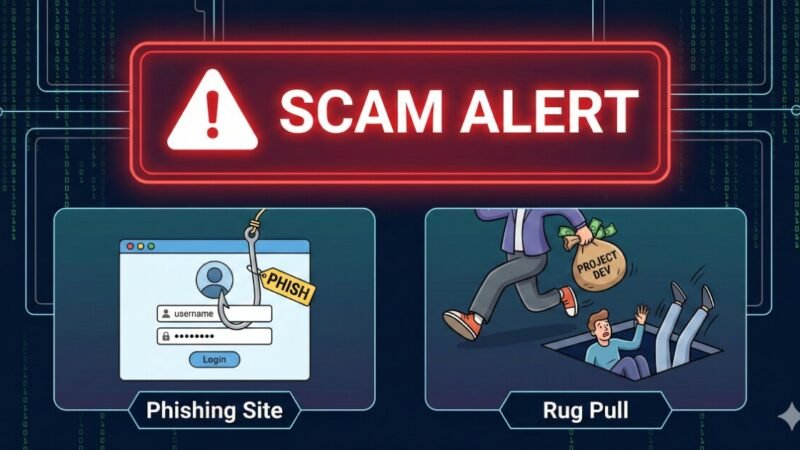
- Source authentication: Verify official communication channels for protocols you track. Scam accounts and fake announcements proliferate during volatile periods.
- Jurisdictional applicability: Confirm which regulatory developments apply to your entity structure and operational jurisdictions.
- API access and rate limits: If you automate news monitoring, check current API terms for block explorers, governance forums, and data providers.
- Alert threshold calibration: Review whether your monitoring triggers (unusual transaction volumes, governance proposal thresholds, funding rate extremes) still match current market conditions.
- Blockchain explorer accuracy: Different explorers interpret smart contract events differently. Cross reference critical transactions across multiple services.
- Protocol governance processes: Verify current voting thresholds, timelock durations, and execution requirements for protocols you track. These parameters change through governance itself.
- Exchange proof of reserves schedules: If using custodial services, confirm current attestation frequency and auditor credentials.
Next Steps
- Build a layered monitoring stack: Combine onchain analytics, GitHub watch lists, governance forum RSS feeds, and at least two news aggregators. Test coverage by tracking a recent event backward through your stack.
- Create event response playbooks: Document decision trees for common scenarios (major exploit announced, regulatory guidance published, protocol upgrade activated). Pre plan information verification steps and position adjustment thresholds.
- Establish verification routines: When significant news breaks, spend 15 to 30 minutes checking primary sources before acting. Build a checklist of where to verify different event types (blockchain explorers for onchain events, official GitHub for code changes, regulatory websites for enforcement actions).